
Cash buyers accept homes in virtually any physical condition, from freshly renovated to fire-damaged, because their offers are calculated around current condition and estimated repair costs rather than requiring sellers to fix anything first. This approach, known in the industry as an "as-is" purchase, gives distressed homeowners a direct path to a fast sale without the delays of contractor bids, open houses, or mortgage contingencies. If you are facing foreclosure, managing an inherited property in Northwest Indiana, or simply need to close quickly, understanding what home conditions cash buyers accept and how those conditions shape your offer is the fastest way to make a confident decision.
1. Home conditions cash buyers accept
Cash buyers purchase properties across the full spectrum of physical condition. The range is wider than most sellers expect, and knowing where your home falls helps you set realistic expectations before you ever request an offer.
Cosmetic issues are the easiest category. Peeling paint, worn carpet, outdated kitchens, cracked tile, and overgrown yards all fall here. These are the properties that need a refresh but are structurally sound. Cash buyers price these quickly because repair estimates are predictable.
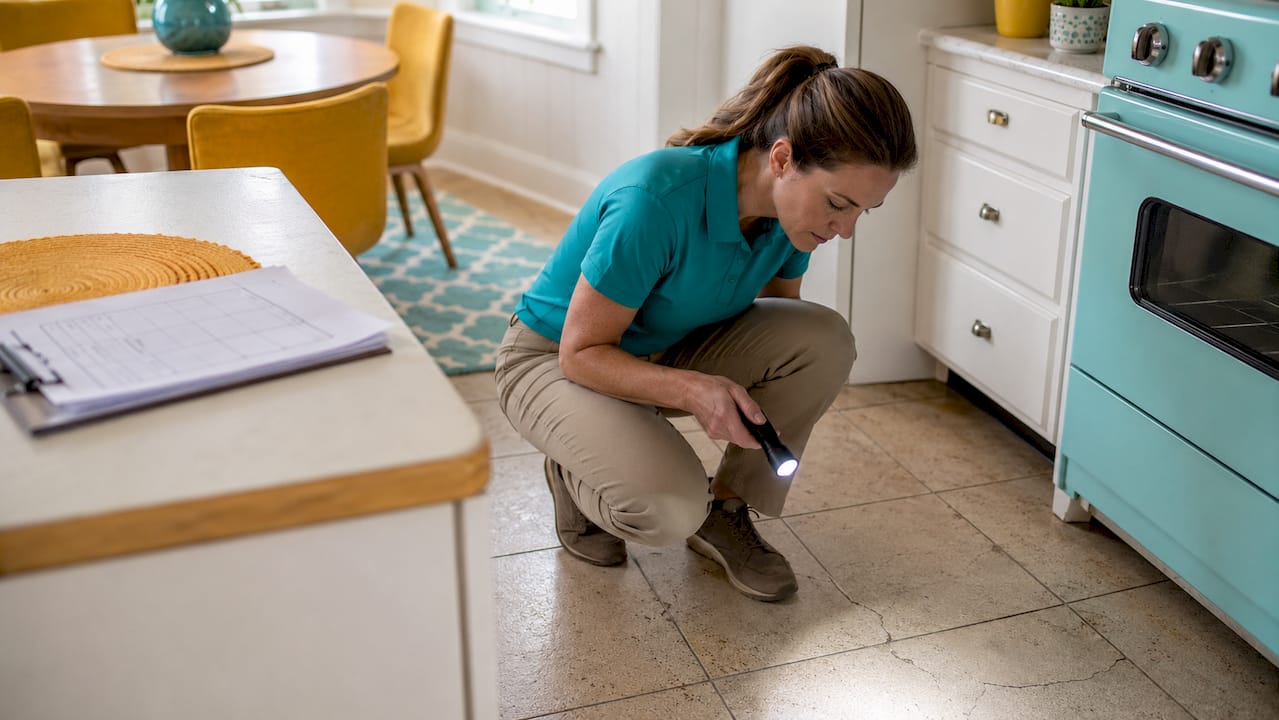
Structural and mechanical problems are also accepted. Foundation cracks, failing roofs, outdated electrical panels, and plumbing that has not been touched in decades are common in the homes Dan Buys Houses purchases in Northwest Indiana. These properties require larger repair budgets, so offers reflect that, but they are not deal-breakers.
Environmental damage including mold, water intrusion, asbestos, and lead paint falls squarely within acceptable home conditions for cash buyers. Remediation costs are factored into the offer rather than passed back to the seller as a repair demand.
Occupied properties with tenants, active leases, or even squatters are accepted. So are homes carrying code violations, delinquent property taxes, or mechanic's liens. Cash buyers have experience resolving these complications after closing.
Extreme damage is where most sellers assume the door closes. It does not. Hoarder houses, fire-damaged structures, storm-destroyed roofs, and properties that have sat vacant for years are all properties for cash offers. The offer will be lower, but the sale is still possible.
Pro Tip: Before requesting a cash offer, walk through your home and note every visible defect. A buyer who gets an accurate picture upfront will give you a more reliable offer than one who discovers problems during a walkthrough and revises the number downward.
2. How cash buyers calculate offers based on home condition
Cash offers are calculated using a formula built around the property's after-repair value, which is the price the home would sell for on the open market once fully renovated. The most common framework is the 70% rule: the buyer offers roughly 70% of after-repair value minus the estimated cost of repairs. Real-world offers range from 50% to 85% of after-repair value depending on condition, local market strength, and the buyer's risk tolerance.
The margin between the offer and the after-repair value is not pure profit for the buyer. It covers contractor costs, holding costs during renovation, selling commissions when the buyer eventually resells, and a buffer for surprises that appear once walls come down. A buyer who does not build in that buffer will lose money on enough deals to go out of business.
Here is how the math looks across three condition scenarios:
| Home condition | After-repair value | Estimated repairs | Typical cash offer |
|---|---|---|---|
| Cosmetic only | $200,000 | $15,000 | $125,000 |
| Moderate structural | $200,000 | $45,000 | $95,000 |
| Severe damage | $200,000 | $80,000 | $60,000 |
The table above illustrates why sellers sometimes feel the offer is low. The buyer is not discounting arbitrarily. Every dollar of repair cost comes directly out of the offer price. Understanding this formula helps you evaluate whether a specific offer is fair rather than simply feeling low.
Cash sales close in 7 to 14 days compared to 30 to 45 days for financed purchases. That speed has real dollar value for sellers paying a mortgage, property taxes, or utilities on a home they no longer want.
Pro Tip: Ask any cash buyer for a written breakdown of how they arrived at their offer number. A credible buyer will show you their after-repair value estimate and their repair cost assumptions. If a buyer refuses, that is a red flag.
3. Are there home conditions cash buyers typically reject?
Cash buyers are flexible, but they do have practical limits. Some property conditions create legal or financial complications that make a purchase unworkable regardless of price.
The most common reasons a cash buyer passes on a property include:
- Unresolvable title defects. Multiple competing claims, forged deeds, or title fraud that cannot be cleared through a title company make the property unsellable to anyone, including cash buyers.
- Repair costs that exceed market value. If a home in a depressed market would sell for $80,000 fully renovated but requires $90,000 in repairs, no offer math works. The buyer would lose money on every scenario.
- Probate without legal authority. A seller who has not yet been granted executor or administrator authority by a probate court cannot legally transfer title. The sale cannot proceed until that authority exists.
- Active legal injunctions. Court orders blocking sale or transfer of the property prevent closing regardless of buyer type.
- Severe code violations with municipal holds. Some municipalities place a hold on title transfer until violations are remediated. This is different from ordinary code violations, which cash buyers routinely accept.
The good news is that most distressed properties do not fall into these categories. Liens, delinquent taxes, tenant disputes, and physical damage are all workable. The barriers above are legal, not physical.
4. How selling inherited or foreclosure properties affects accepted home conditions
Distressed situations like inheritance and foreclosure add a time dimension to the standard question of what homes cash buyers prefer. The physical condition of the home matters, but so does the legal clock running in the background.
For inherited properties, the process follows these steps:
- Confirm probate authority. Probate can take months, but once an executor or administrator is granted authority, a cash buyer can close in as little as 7 to 21 days. The bottleneck is legal, not physical.
- Assess the property's condition honestly. Inherited homes are often older and have deferred maintenance. Cash buyers who simplify estate sales are experienced with this exact scenario.
- Gather any available repair records, permits, and insurance claims. This documentation protects you legally and helps the buyer price accurately.
- Request offers from cash buyers before probate closes if possible. You cannot accept an offer until you have authority, but you can have one ready to sign the day authority is granted.
For foreclosure properties, the timeline is more urgent. Closing must happen before the foreclosure auction date to preserve your right to sell. Once the auction occurs and a new owner takes title, you lose the ability to sell the property entirely. Cash buyers are specifically equipped for this scenario because they do not need mortgage approval, appraisals, or lengthy inspections. Their speed is the product.
If you are in foreclosure, contact a cash buyer immediately and be explicit about your auction date. A reputable buyer will structure the contract to close before that date. Dan Buys Houses offers a dedicated resource to stop foreclosure in Indiana for homeowners in exactly this position.
5. Cash sale vs. traditional listing: how home condition changes everything
The difference between selling to a cash buyer and listing with a real estate agent is not just speed. It is the entire set of requirements placed on your home's condition before the sale can close.
| Factor | Cash sale | Traditional listing |
|---|---|---|
| Repairs required | None | Often required by lender or buyer |
| Inspection contingency | Typically waived | Standard; can kill deal |
| Closing timeline | 7 to 21 days | 30 to 60+ days |
| Agent commission | None | Typically 5% to 6% |
| Deal collapse risk | Low; no financing contingency | Higher; financing can fall through |
Traditional cash sales close in 7 to 21 days with zero repairs and no contingencies, compared to 30 to 60 or more days for financed sales. That gap matters enormously when you are paying carrying costs on a property you cannot afford or racing an auction date.
The trade-off is offer price. A traditional listing on a move-in-ready home will likely generate a higher gross number. But for a home in poor condition, the net result after repairs, commissions, and carrying costs often lands close to or below a cash offer. Run the math on your specific situation before assuming the traditional route pays more.
Key takeaways
Cash buyers accept homes in any physical condition because their offers are priced around repair costs and after-repair value, not the home's current state.
| Point | Details |
|---|---|
| Any condition is acceptable | Cash buyers purchase cosmetic fixer-uppers, structurally damaged homes, fire damage, and hoarder houses. |
| Offers follow the 70% rule | Expect roughly 70% of after-repair value minus repair costs, with real offers ranging from 50% to 85%. |
| Legal barriers matter more than physical ones | Title defects, probate without authority, and court injunctions can block a sale that physical damage cannot. |
| Foreclosure sellers must close before auction | Once the auction date passes, the right to sell is gone. Cash buyers' speed is the only solution. |
| "As-is" does not eliminate disclosure duties | Sellers must still disclose known defects; the clause only means no repairs will be made before closing. |
What I've learned after years of buying homes in any condition
I want to address something that trips up a lot of sellers. When people hear "as-is sale," they sometimes assume it means they can hide problems and walk away clean. That is not how it works. An "as-is" clause controls repair obligations but does not release sellers from disclosing known material defects. Concealing a known issue is misrepresentation, and it creates legal exposure that can follow you after closing.
My honest advice: disclose everything you know. Document it in writing. This actually makes the transaction smoother, not harder, because the buyer can price accurately and you are protected from future claims. Sellers who try to hide foundation problems or prior flood damage are not protecting themselves. They are creating liability.
The second thing I tell every seller is to verify proof of funds before you get emotionally invested in an offer. A legitimate cash buyer provides a proof-of-funds letter without hesitation. If a buyer stalls on this, they may not actually have the cash, and you could lose weeks waiting on a deal that was never real.
Finally, understand that a lower offer price is not the same as a bad deal. When you factor in the repairs you are not making, the commissions you are not paying, and the months of carrying costs you are skipping, the net result of a cash sale is often competitive with a traditional listing. Do the math on your specific numbers before you decide.
— Daniel
Sell your home fast in any condition with Dan Buys Houses

Dan Buys Houses purchases homes throughout Northwest Indiana with no repairs, no cleaning, and no agent commissions required. Whether your property has foundation issues, storm damage, tenant complications, or has been sitting vacant for years, you can get a cash offer based on your home's current condition and close in as little as five days. If you are facing foreclosure, the clock is already running. Dan Buys Houses serves homeowners across the region, including those looking to sell fast in Highland and surrounding communities. There are no hidden fees, no pressure, and no obligation. Contact Dan Buys Houses today to get a transparent offer and a clear timeline.
FAQ
What home conditions do cash buyers accept?
Cash buyers accept homes in any physical condition, including properties with cosmetic damage, structural problems, mold, fire damage, and code violations. Offers are adjusted to reflect repair costs rather than requiring sellers to fix anything before closing.
How does home condition affect a cash offer price?
Offers follow the 70% rule, calculated as roughly 70% of after-repair value minus estimated repair costs. More severe damage means higher repair estimates and a lower offer, but the sale is still possible.
Can I sell an inherited home in poor condition to a cash buyer?
Yes. Cash buyers close in 7 to 21 days once probate authority is granted, making them a practical option for inherited properties regardless of physical condition.
Do I have to disclose defects in an as-is cash sale?
Yes. An as-is clause covers repair obligations only, not disclosure duties. Sellers must still disclose known material defects to avoid misrepresentation claims.
How fast can a cash buyer close on a foreclosure property?
Cash sales close in 7 to 14 days without financing contingencies, which is fast enough to beat most foreclosure auction dates when the process starts promptly.