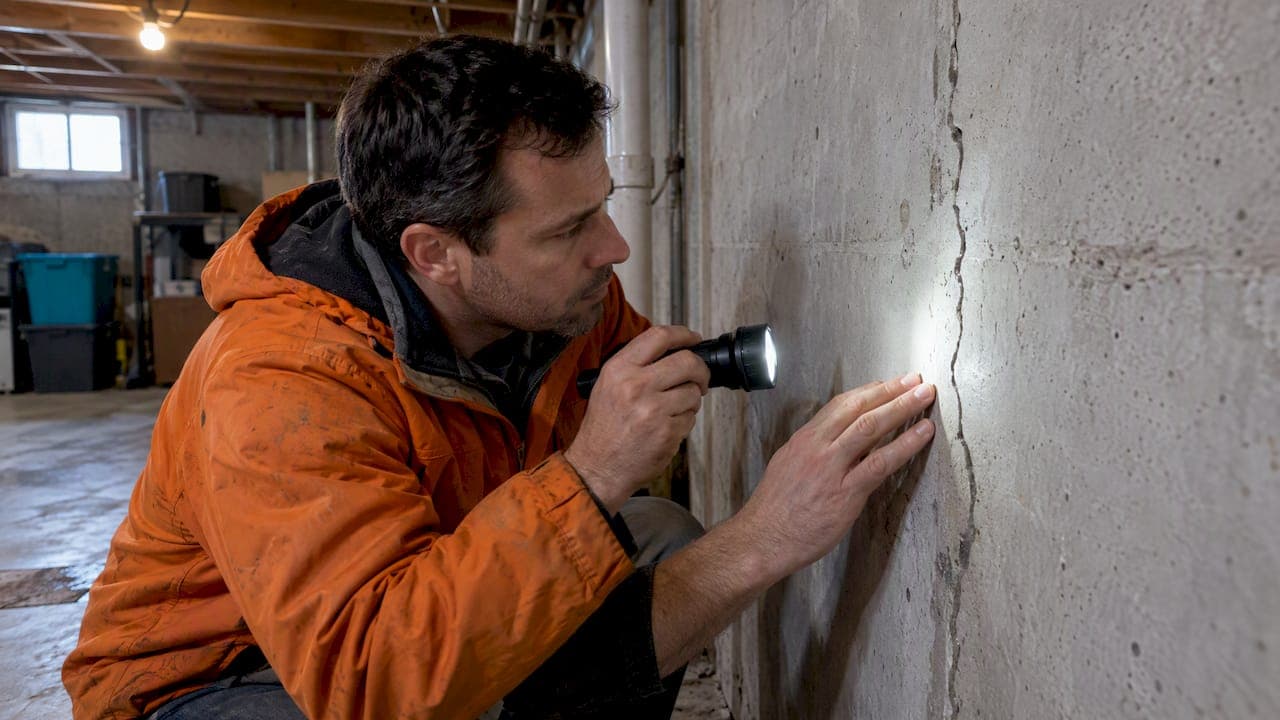
Yes, you can sell a home with foundation issues. Start by disclosing what you know and gathering an inspection report, engineer notes, or a repair estimate before you list. From there, your path depends on the severity of the damage and whether you need a fast, as-is sale, or can afford repairs and a traditional listing, including a direct cash sale.
TL;DR:
- Hairline drywall or brick cracks may reflect settling, but bowing walls, horizontal cracks wider than a quarter of an inch, and separation warrant an engineer’s diagnosis.
- FHA, VA, and USDA lenders often require foundation repairs before closing; conventional lenders have more discretion, while cash buyers avoid appraisal and financing conditions.
- Disclose every known issue, including past repairs, and update the written form if new facts emerge; selling as is does not remove that duty.
- Get an inspection, then an engineer’s diagnosis before requesting contractor bids; share the report, estimate, photos, and invoices to support buyer and lender decisions.
- Use repair credits or an escrow holdback to avoid managing repairs, or choose an as is cash sale for speed and expect a lower offer.
Table of Contents
- Common foundation problems and how to tell minor from serious
- How foundation problems affect appraisal, financing, and time on market
- What you must disclose and why it protects you
- Repair, offer credits, or sell as-is: choosing your path
- Who actually buys a house with foundation issues
- Inspections, engineer reports, and the documents that speed up a sale
- Negotiating price, credits, and a smoother closing
- Selling directly to a cash buyer when repairs aren't an option
- A seller-first take on foundation damage
- Get a no-obligation cash offer for your home
- FAQ
- Sources
Common foundation problems and how to tell minor from serious
Not every crack means a crisis. Foundation damage ranges from cosmetic settling to structural failure that changes how you sell, so knowing the difference matters before you talk to a buyer, lender, or appraiser.
- Hairline cracks in drywall or stair-step cracks in brick mortar often signal normal settling, not structural failure.
- Doors and windows that stick, uneven floors, or gaps around window frames can point to foundation movement.
- Bowing basement walls, horizontal cracks wider than a quarter inch, or visible separation between the foundation and the house suggest a more serious problem.
- Water intrusion, standing moisture, or a musty basement smell often accompanies drainage-related foundation issues.
A home inspector can flag these signs during a general inspection, but a structural engineer is the one qualified to diagnose the cause, estimate scope, and specify a repair method. A contractor comes in after that diagnosis to price the actual fix. Skipping the engineer step and going straight to a contractor estimate is a common mistake that can leave you under-informed about what a buyer's lender will require.
How foundation problems affect appraisal, financing, and time on market
Foundation damage does not just worry buyers. It changes how appraisers write their reports and how lenders decide whether to fund the loan. HUD guidance for FHA appraisals requires the appraiser to note required repairs and sometimes issue the appraisal "as-repaired," meaning the lender will not release funds until the specified work is finished and verified. HUD's property analysis handbook also lists cracked masonry, foundation damage, and drainage problems among the defects that can make a property unacceptable for FHA financing until they are remedied.
That standard carries over to VA and USDA loans, which use similar minimum property requirements, while conventional loans give underwriters more discretion but still often require repair or a reduced loan amount. This is why cash buyers end up playing an outsized role in sales involving foundation issues: they are not bound by these property condition rules.

One widely cited figure puts this in perspective: foundation issues are considered a deal-breaker for more than half of home buyers, which shrinks your buyer pool, often pushes offers lower, and tends to add time to your listing compared to a home without structural concerns.
What you must disclose and why it protects you
Nearly every state requires sellers to complete a written disclosure form listing known material defects, and foundation problems sit near the top of that list. South Carolina's disclosure statement is a representative example: it requires sellers to disclose known issues like foundation cracks or past water intrusion in the basement, and if you attach a professional report to support your answers, you generally limit your liability for inaccuracies in that report unless you were grossly negligent.
Real estate licensees face a parallel duty. Wisconsin's licensing rules require agents to disclose material adverse facts they know and to recommend an expert inspection whenever the facts suggest a possible defect, which is one reason your agent may push for an engineer's opinion before listing.
A practical disclosure checklist:
- List every known foundation issue, including past repairs, even ones you consider resolved.
- Attach the engineer report, inspection report, or repair invoice if you have one.
- Update your disclosure in writing if new information surfaces after you first sign it.
- Keep dated copies of every document and communication related to the foundation.
Selling as-is does not remove this duty. It changes the price and contingencies a buyer expects, not your obligation to disclose what you already know.
Repair, offer credits, or sell as-is: choosing your path
Your foundation's severity and your own finances point you toward one of three reasonable paths.
- Repair before listing when the damage is moderate and you want access to the full pool of conventional and government-backed buyers, since FHA, VA, and USDA loans often require repairs before closing.
- Offer repair credits or an escrow holdback when you want to sell without managing contractors yourself. An engineer's report that quantifies the scope and cost gives both you and the buyer's lender a number to negotiate around, rather than a vague unknown.
- Sell as-is to a cash buyer or investor when repairs are not financially realistic or you need to close quickly. Expect a lower offer that reflects the repair cost, but also fewer contingencies and a faster timeline.
To get a realistic repair range, request a written estimate from a licensed foundation contractor after the engineer has diagnosed the problem rather than before. Estimates based on guesswork from a general inspection tend to miss the actual repair method and cost.
Pro Tip: Get the engineer's diagnosis first, then request contractor bids against that specific scope of work, not against a general description of the symptoms.
Who actually buys a house with foundation issues
Retail buyers using a mortgage are the most constrained group, since their lender's appraisal and property requirements often force repairs before closing. Investors and cash buyers tolerate far more, because they are not subject to FHA, VA, or USDA property standards and can factor the repair cost directly into their offer.
- Retail buyers financed by FHA, VA, or USDA face the strictest property condition rules and the most appraisal friction.
- Conventional-loan buyers have more flexibility but may still face underwriter pushback on major structural defects.
- Investors and cash buyers accept as-is condition and build repair costs into their offer instead of requiring repairs upfront.
To reach the investor and cash-buyer audience effectively, be transparent in your listing about the foundation issue and bundle your documentation (engineer report, contractor estimate, inspection notes) so serious buyers can move quickly without a long due-diligence period.
Inspections, engineer reports, and the documents that speed up a sale
Three documents do most of the work in a foundation-related sale, and each serves a different purpose. A home inspection report flags visible, observable signs like cracks, moisture, or sticking doors, but it is not a structural diagnosis. A structural engineer report identifies the cause, severity, and recommended repair method, which is the document lenders and serious buyers actually rely on. A contractor repair estimate translates that engineer's scope into a dollar figure.
- Get the home inspection first if you have not already had one; it tells you whether an engineer visit is warranted.
- Commission the engineer report once the inspection flags a structural concern, not a cosmetic one.
- Request a contractor estimate based on the engineer's specified repair, not a general walk-through.
- Compile dated photos, repair invoices, and any prior correspondence about the foundation into one packet.
Sharing this packet upfront, either in the listing or with prospective buyers directly, often moves negotiations faster because it answers the questions a cautious buyer or appraiser would otherwise raise later. Packaging an engineer report with a soil test and repair estimate at listing time can even attract investor interest or multiple cash offers from buyers who want to skip their own due-diligence costs.
Pro Tip: Keep a digital folder with every foundation-related document so you can send the full packet to a serious buyer within minutes, not days.
Negotiating price, credits, and a smoother closing
Once a buyer knows about the foundation issue, the negotiation usually centers on one of a few mechanisms rather than a flat price cut.
- Repair credit: the buyer closes at full price but receives cash at closing to cover the engineer-specified repair.
- Escrow holdback: funds are set aside at closing and released to the contractor once the repair is verified complete, which satisfies lenders requiring an "as-repaired" appraisal.
- Contingent close: the sale is conditioned on repairs being finished before the closing date, which adds time but can satisfy stricter loan programs.
For any of these, the lender will typically want the engineer report, the signed contractor agreement, and proof of completion (often a re-inspection or engineer sign-off) before releasing funds. Coordinating the contractor's schedule, the title company, and the escrow agent early prevents the kind of last-minute delay that pushes a closing date by weeks. Our paperwork checklist for as-is sales walks through what to have ready before you get to this stage.
Selling directly to a cash buyer when repairs aren't an option
When repairs are not financially realistic or you are short on time, selling to a local cash buyer sidesteps the appraisal and financing hurdles entirely. We buy houses as-is in the local area, which means a cracked or settling foundation does not stop a sale the way it would with a mortgage-financed buyer. We can close quickly and cover standard closing costs, which matters most for sellers facing foreclosure, an inherited property they cannot maintain, or a timeline too tight for repairs and a traditional listing.
Even in a direct cash sale, it helps to have your documentation ready:
- Recent photos of the affected areas.
- Any existing inspection or engineer notes, even if informal.
- Clear title documents so closing can move without delay.
Our guide to home conditions cash buyers accept covers what else factors into an as-is offer.
A seller-first take on foundation damage
The biggest mistake sellers make is treating a foundation issue as something to hide rather than something to price into the deal. Disclosure and documentation are not obstacles. They are what let a serious buyer, whether financed or cash, move forward with confidence instead of walking away mid-escrow. If you need speed or certainty, a direct cash sale remains a straightforward option.
— Daniel
Get a no-obligation cash offer for your home
If your foundation needs work you cannot afford or cannot wait to finish, we buy houses as-is across Northwest Indiana with no repairs, no commissions, and no owner-paid closing costs. You can request a cash offer and get a flexible closing date that fits your timeline, whether that is five days or several months out.

Visit Sell Your House For Cash to request your offer, or see how our process works in Indiana for a step-by-step look at what happens after you reach out.
FAQ
Is it okay to buy a house with foundation problems?
It can be, as long as the buyer understands the scope of the damage and the repair cost before closing. Buyers using FHA, VA, or USDA financing face stricter property condition requirements, so a professional engineer report and repair estimate are essential before moving forward with a loan.
Is it hard to sell a house with foundation problems?
It is harder than selling a comparable home without structural issues, since more than half of buyers consider foundation problems a deal-breaker. Transparent disclosure, a documented repair estimate, and pricing that reflects the damage can still lead to a successful sale, often to an investor or cash buyer.
How expensive is it to fix foundation issues on a house?
Repair costs vary widely depending on the cause and severity, ranging from minor crack sealing to major structural underpinning. A licensed contractor's written estimate, based on a structural engineer's diagnosis, is the only reliable way to get a number specific to your home.
Is it a good idea to sell a house after foundation repairs?
Yes, completing repairs before listing can open your sale to the full range of financed buyers and often supports a higher price than an as-is sale. Keep the engineer's sign-off and contractor's proof of completion on hand, since buyers and lenders will want documentation that the repair was done correctly.
Sources
- How to Sell a House With Foundation Problems — Mashvisor
- APPENDIX D: Valuation protocol (HUD)
- S.C. Code Regs. § 105-14 - Residential Property Condition Disclosure Statement Form