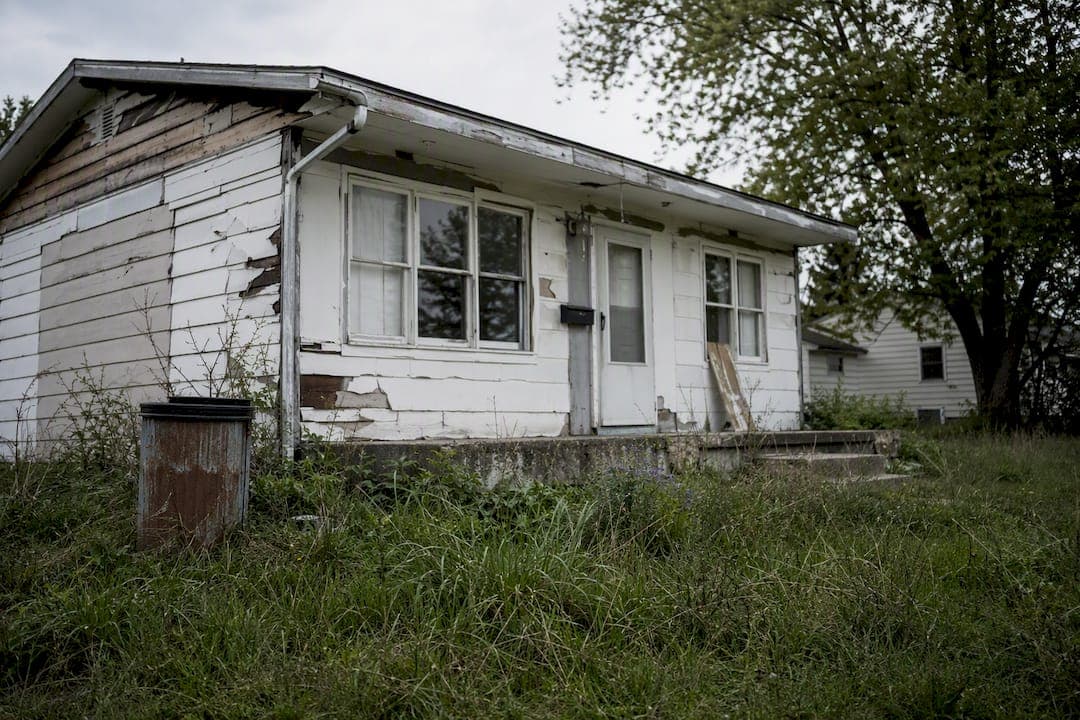
Yes, you can sell a rental property without making repairs. The two fastest paths are listing it as-is on the open market or selling directly to a cash buyer who purchases in any condition. Either way, Redfin's guidance on as-is sales is clear: you still must make legally required disclosures, and buyers often price in a discount for the risk they're taking on.
- List as-is: wider buyer pool, but slower and still requires disclosures.
- Sell to a cash buyer: fastest close, fewer showings, works with tenants in place.
- Expect a discount: as-is offers typically run below fully-renovated comps.
If you want the simplest version of this, a direct buyer like Dan buys houses purchases Northwest Indiana rental properties as-is for cash, often closing in days instead of months.
Key Takeaways
Selling a rental property without repairs works best when you match your route (as-is listing versus a direct cash sale) to your actual timeline and how much price flexibility you can afford to give up.
| Point | Details |
|---|---|
| Choose your route early | Decide between listing as-is or a cash sale based on your timeline, not just price hopes. |
| Expect a price tradeoff | As-is sales often land 10% to 30% below market value depending on condition and demand. |
| Disclosures still apply | You must disclose known defects even when buyers waive inspection contingencies. |
| Fix what fails financing | Roofs, foundations, and safety hazards usually pay for themselves; cosmetic issues rarely do. |
| Consider a direct buyer | Dan buys houses purchases Northwest Indiana rentals as-is for cash, with no repairs, fees, or owner-paid closing costs. |
Table of Contents
- Options For Selling Rental Property Without Repairs
- How Do You Sell A Rental Property As-Is Step By Step?
- Does Selling As-Is Lower Your Sale Price?
- What Legal Disclosures Do You Still Owe Buyers?
- When Do Repairs Actually Pay Off Before Selling?
- What Two Landlords Actually Faced Selling As-Is
- Ready For A No-Repair, Fast Cash Sale?
- Frequently Asked Questions
- Sources
Options For Selling Rental Property Without Repairs
Every landlord's situation is a little different, so the right no-repair route depends on how fast you need cash, how much upside you're willing to leave on the table, and whether tenants are still living in the unit.
Listing as-is on the MLS gets your property in front of the largest buyer pool, including owner-occupants, other investors, and house flippers. The tradeoff is time. As-is listings still sit through showings, inspections, and financing contingencies, and many mortgage lenders balk at homes with major deferred maintenance.
Selling to a cash buyer or investor skips most of that. No financing contingency means no appraisal gap, no lender-required repairs, and often no showings at all beyond one walkthrough. This route is usually the best fit when the property is tenant-occupied, when a major system (roof, HVAC, foundation) is failing, or when you simply need certainty over top dollar.
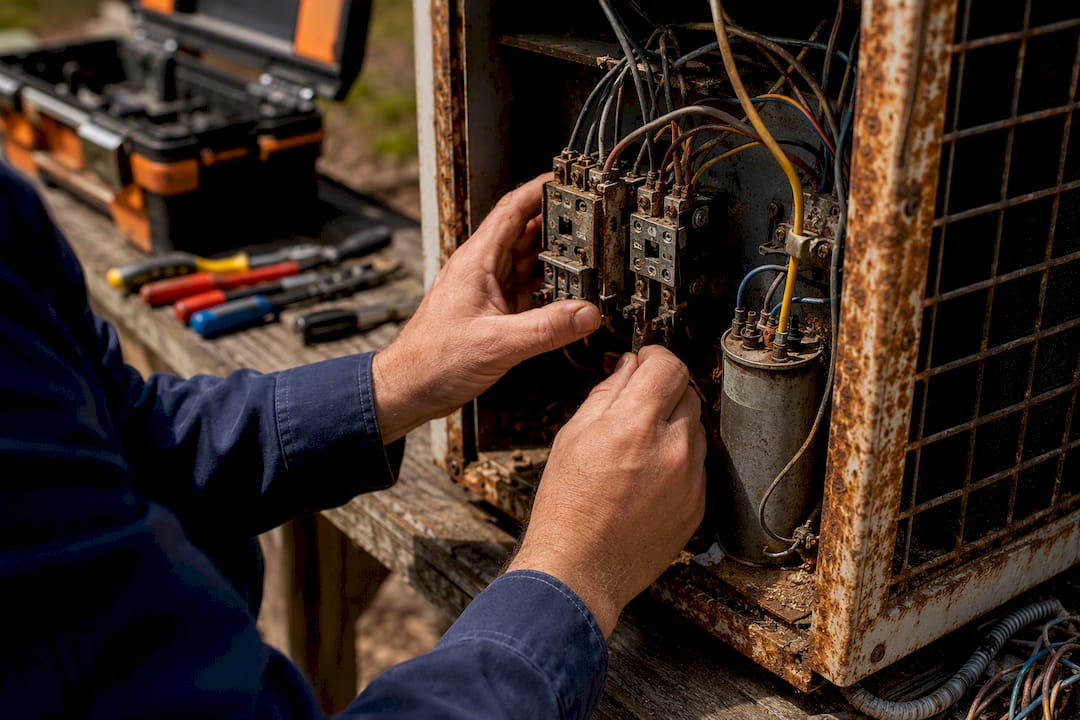
Auction or investor marketplaces can move a property fast too, but seller fees and buyer premiums eat into proceeds, and outcomes are less predictable than a negotiated cash offer.
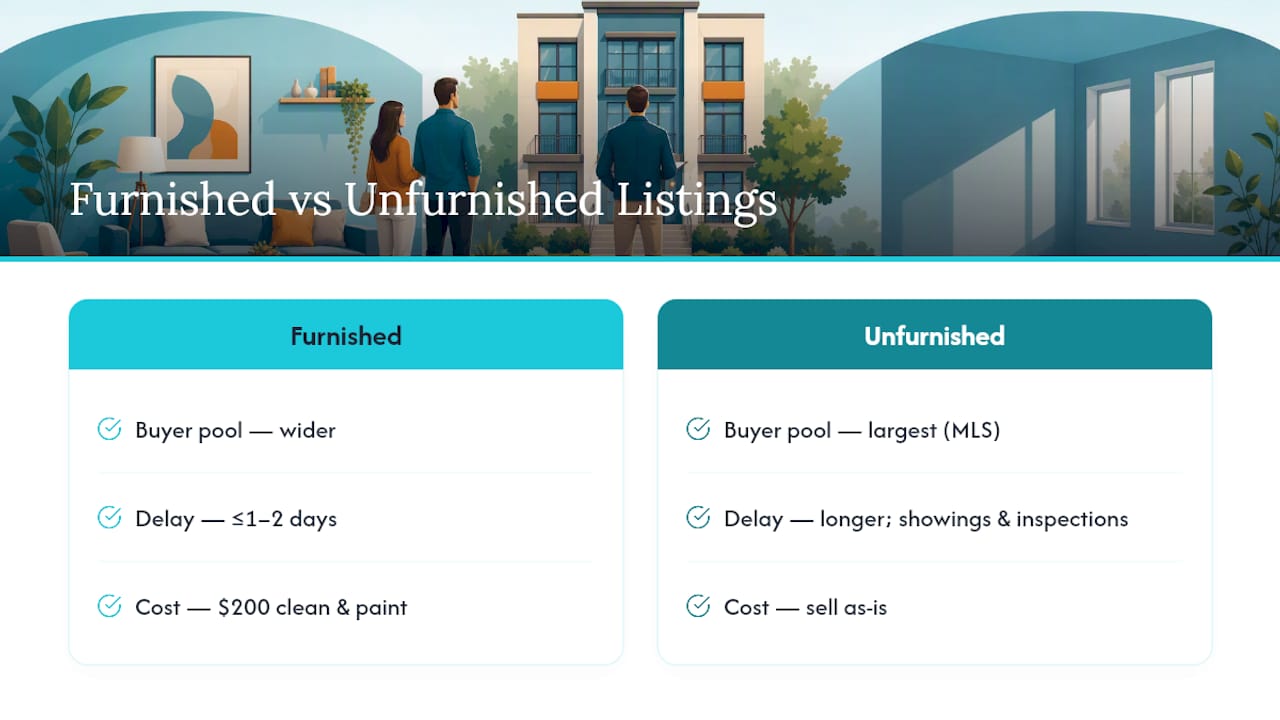
Pro Tip: If your rental only needs a $200 deep clean and some fresh paint, doing that minimal work before listing as-is can widen your buyer pool without delaying a sale by more than a day or two.
For landlords weighing whether a light refresh (furnishing, staging, small cosmetic fixes) changes buyer interest, it helps to look at how furnished versus unfurnished listings perform before deciding what, if anything, is worth touching.
How Do You Sell A Rental Property As-Is Step By Step?
Selling as-is isn't just "skip the repairs and list it." A rental property adds tenant logistics and paperwork most homeowner sales don't have to deal with.
- Pick your route and set a timeline. Decide if you want a fast cash close or you're willing to wait out a traditional listing for a potentially higher price.
- Gather your documents. Pull leases, the rent roll, maintenance history, utility bills, the deed, and property tax records. A full document checklist makes this step painless instead of a last-minute scramble.
- Set a realistic price. If you're listing as-is, price against comparable as-is sales, not renovated ones. If you're going the cash-buyer route, request offers from a few buyers and compare net proceeds.
- Decide how to handle tenants. Some cash sales let leases transfer with the property, meaning tenants stay put and you avoid eviction steps entirely. If you're listing traditionally, you'll need to plan around lease terms and local notice requirements for showings.
- Handle inspections and contingencies. Buyers can still inspect an as-is property. You're not obligated to make repairs, but you can accept offers where the buyer waives the inspection contingency outright.
- Close. Cash sales can close in as few as five days once paperwork and title work are in order; traditional as-is listings typically take 30 to 60 days from accepted offer to closing.
A quick example: a duplex renter-occupied unit needing a new roof might net $180,000 as-is from a cash buyer in a week, versus a $210,000 MLS listing that drags on for two months, loses buyers after inspection, and still needs a $12,000 roof credit negotiated at closing.
Does Selling As-Is Lower Your Sale Price?
Usually, yes, but the gap is often smaller than owners fear once you account for what you're not spending. Redfin's data puts typical as-is discounts somewhere between 10% and 30% below market value, depending on the property's condition and how competitive the local market is.
Here's the math that actually matters: compare your as-is cash offer against the cost of repairs plus your carrying costs while those repairs happen (mortgage, taxes, insurance, lost rent). If a $250,000 home needs $35,000 in repairs to sell for $290,000 on the open market, your net after repairs is roughly $255,000 minus two or three months of carrying costs. A $225,000 as-is cash offer that closes in a week can easily come out ahead once you factor in the time, stress, and repair-cost uncertainty.
- Be upfront about known issues in the listing to avoid disputes after closing.
- Use "sold as-is, no repairs" language explicitly in your listing and purchase agreement.
- If you're selling to an investor, present your rent roll and cash flow numbers. Investors buy income, not curb appeal.
- Collect at least two or three cash offers before accepting one. It's the fastest way to know if a number is fair or lowball.
Pro Tip: Investors often value a property by its cap rate, not its paint job. A rental with a strong, documented rent history can command a better as-is price than an identical vacant unit with no income proof.
For a deeper breakdown of typical seller costs at different price points, this cost guide walks through what usually eats into proceeds.
What Legal Disclosures Do You Still Owe Buyers?
Selling as-is doesn't erase your disclosure obligations. You're still required to disclose known material defects, and buyers still retain the right to inspect the property unless they explicitly waive that contingency in writing.
- Complete your state's standard seller disclosure form, even for a cash sale.
- Keep maintenance and repair records handy. They protect you if a buyer challenges what you knew and when.
- If tenants occupy the unit, confirm how the lease transfers, and give any legally required notice before showings or a change of ownership.
- Consult an attorney or CPA before finalizing anything. Disclosure rules and tenant-notice requirements vary by state and even by municipality.
Pro Tip: A dated, signed property condition statement, even an informal one, can save you from a dispute months after closing. It shows exactly what you disclosed and when.
For state-specific disclosure examples, this guide to real estate disclosures and this breakdown of as-is paperwork requirements both walk through what's typically required.
When Do Repairs Actually Pay Off Before Selling?
Skipping repairs isn't always the smartest move. If a $3,000 fix removes a defect that's scaring off $20,000 in offers, that's an easy call. Roofs, foundation issues, and safety hazards (exposed wiring, broken railings) tend to have the clearest return, because they're the things that kill financing and spook buyers during inspection. Cosmetic issues, worn carpet, and outdated fixtures rarely justify the investment.
Repairs tend to pay off in a strong seller's market, when the fix is cheap relative to the price bump, or when a single issue is causing a disproportionate discount. Selling without repairs still wins when you're facing a major system failure, an expensive maintenance cycle coming due, or a timeline that simply doesn't allow for contractor delays.
What Two Landlords Actually Faced Selling As-Is
One landlord I've watched navigate this had a rental with a failing roof and an aging HVAC system, both due for replacement within the year. Waiting for a traditional sale meant risking a system failure mid-listing. A cash sale closed in under two weeks, no negotiation over repair credits.
Another owned a property in a hot market needing only minor cosmetic work. There, a few thousand dollars in paint and flooring pushed the sale price up more than the repair cost, the textbook case where a little effort beats a fast exit. Dan Buys Houses has seen both scenarios play out across Northwest Indiana rentals, and the right call almost always comes down to timeline pressure versus market strength.
Ready For A No-Repair, Fast Cash Sale?
If severe deferred maintenance, a tenant situation, or a tight timeline is pushing you toward the fastest possible exit, Dan buys houses is built for exactly that. Unlike a traditional listing where you're stuck making repairs, staging showings, and paying a commission at closing, this process skips all three.

Here's what to expect: you request an offer and share basic property details, a team member verifies the property (often with a quick visit), and you receive a straightforward cash offer with no obligation to accept. There are no owner-paid closing costs, no commissions, and no repairs required, whether the property is vacant or currently rented. Closing dates are flexible, and some sellers report closing in as little as five days. If tenants are in place, the process is built to handle that without forcing an eviction first.
To see exactly how the process works from offer to closing, check out how the buying process works. If you're ready to find out what your rental is worth as-is, you can request a no-obligation offer and get a real number back without touching a single repair.
Frequently Asked Questions
Can you legally sell a rental property without making any repairs? Yes. There's no law requiring repairs before a sale, but you must still disclose known material defects to buyers regardless of the sale method.
Will selling rental property without repairs always mean a lower price? Usually, but not always. The discount depends on the property's condition, your local market, and how you weigh repair costs and carrying costs against a faster close.
Can I sell an as-is rental property while tenants are still living there? In many cash sales, yes. The lease can transfer with the property, letting tenants stay put without an eviction, though local notice requirements still apply.
Do buyers still get to inspect an as-is rental property? Typically yes. As-is means you won't make repairs, not that inspections are off the table. Buyers can inspect and choose to waive the contingency in writing.
Is a cash sale always faster than listing as-is? Generally yes. Cash sales can close in days once paperwork and title are ready, while traditional as-is listings usually take a month or two from accepted offer to closing.
This article is general information, not a substitute for advice from a qualified financial advisor. Consult a qualified financial professional about your own circumstances before acting on anything here.
Sources
- Yes, You Can Sell A House As-Is—No Inspection Needed | Redfin